Understanding the Three Main Wood Destroyers
If you own a home in San Francisco, wood damage is a real concern. The Bay Area's moisture-rich climate creates the perfect breeding ground for fungi, insects, and decay that can compromise your home's structural integrity. But not all wood damage is created equal. Understanding the difference between dry rot, wet rot, and termite damage is crucial for getting the right repair solution fast.
Many homeowners use the terms interchangeably, but each type of damage requires a different diagnosis and treatment approach. Misidentifying the problem can lead to wasted money and ongoing deterioration. The good news is that with a little knowledge, you can spot the signs yourself and know exactly when to call in the professionals. Whether you're dealing with a musty basement, soft spots in your flooring, or visible pest activity, this guide will help you understand what's happening beneath the surface of your home.
What Does Wood Rot Look Like: Dry Rot Explained
Dry rot is one of the most destructive forms of wood decay, despite its misleading name. It occurs when wood moisture levels drop below 20 percent, allowing a fungus called Serpula lacrymans to thrive. Unlike what the name suggests, dry rot actually requires some moisture to develop, it just doesn't need the constant wetness that wet rot demands. What makes dry rot particularly dangerous is how quickly it spreads and how much damage it can do before you even notice it.
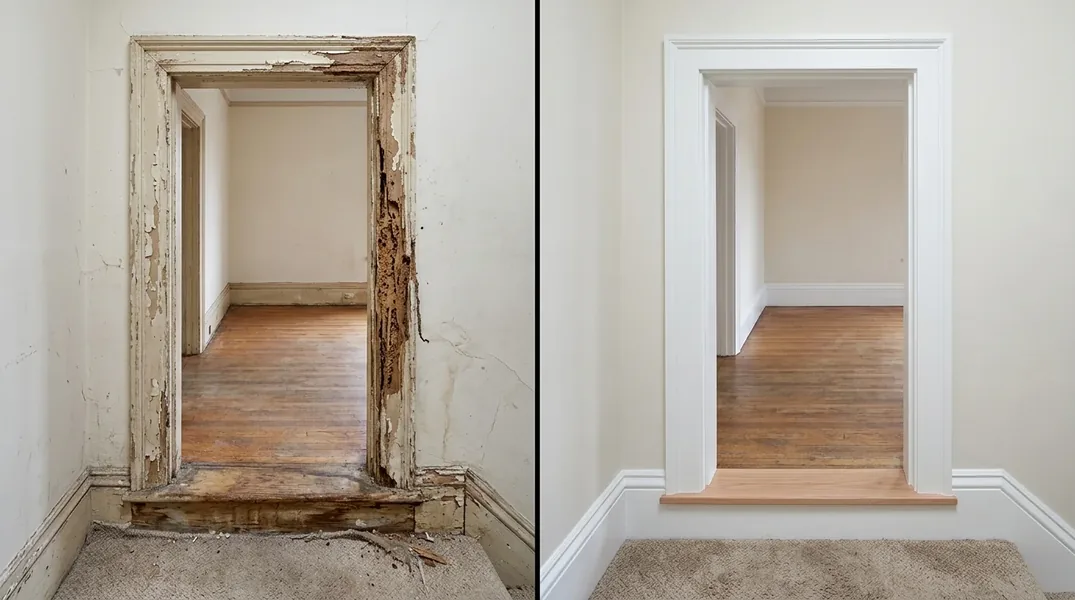
Visually, dry rot wood develops a distinctive appearance. The wood becomes darkened, often taking on a dark brown or almost black color. You'll notice deep cracks that form in a cube-like pattern across the wood grain, creating rectangular blocks that look like the wood has been shattered from the inside out. The affected wood becomes extremely brittle and crumbly, almost like compressed cardboard. You may also see fine, white or gray fungal strands (called mycelium) spreading across the wood surface or even traveling across non-wood materials to find new wood to colonize. A musty, earthy smell often accompanies dry rot, particularly in enclosed spaces like crawl spaces or attics.
Wood Rot & Dry Rot Repair in San Francisco requires swift action because dry rot can spread to adjacent wood framing, floor joists, and structural beams. If you suspect dry rot in your home, the time to act is now. Contact San Francisco Carpentry at (628) 285-5429 for a professional assessment.
Wet Rot: Moisture's Slower but Steady Damage
Wet rot, as the name implies, thrives in consistently damp conditions where wood moisture levels exceed 50 percent. Unlike dry rot, wet rot develops more slowly and typically stays localized to the specific area where moisture is present. This doesn't mean it's less serious, however. Wet rot can still cause significant structural damage, especially in areas like bathrooms, kitchens, exterior trim, and anywhere water regularly contacts wood.
When examining wood affected by wet rot, you'll see a different visual signature than dry rot. The wood typically becomes soft and spongy rather than brittle and crumbly. It may appear darker or discolored, often with a wet, soggy appearance. Unlike dry rot's distinctive cube-like cracking pattern, wet rot tends to create elongated cracks that follow the wood grain. The affected wood often feels squishy when you press on it, and you can sometimes push a fingernail into severely rotted wood. Wet rot often appears alongside visible mold or mildew growth, and you'll frequently notice an unpleasant, damp smell in the affected area.
The key to managing wet rot is addressing the moisture source. Without fixing the leak, damaged plumbing, or poor drainage that's causing the dampness, any repair will be temporary. This is why professional assessment is so important. A trained eye can identify not just the rotted wood but the root cause of the moisture problem, ensuring a lasting solution rather than a quick patch job.
Signs of Termite Damage in Wood: Recognizing the Pest Problem
Termite damage presents yet another distinct pattern from fungal wood rot. Termites are insects that feed on cellulose in wood, creating galleries and tunnels as they consume the material from the inside out. The damage they cause can be equally devastating to your home's structure, and unlike rot, termites are actively working to expand their damage as long as they remain present.
So what does termite damage look like? The most characteristic sign is the presence of mud tubes, which are pencil-thin tunnels that termites build from the soil up the exterior of your home to reach wood. These tubes protect termites from light and air as they travel. You may also notice wood that sounds hollow when tapped, wood that appears to have parallel grooves or galleries running along the grain, or wood that crumbles easily under pressure but may look relatively intact from the outside. Termite damage often leaves a honeycomb-like pattern inside the wood, visible when you break away the outer shell. You might also spot termite droppings, which look like tiny pellets of sawdust, or even see the insects themselves, particularly during swarming season in spring.
Unlike wood rot, Termite Damage Repair requires not just replacing damaged wood but eliminating the active infestation. This is why professional help is essential. San Francisco Carpentry works with pest control specialists to ensure termites are eradicated before structural repairs begin, preventing the problem from recurring.
Key Differences: How to Tell Them Apart
The most reliable way to distinguish between these three wood destroyers is to examine the damage pattern and the condition of the wood itself. Dry rot creates that distinctive dark brown, cube-like cracking pattern and produces a crumbly texture. Wet rot develops in consistently moist areas, appears softer and spongier, and cracks along the grain rather than in cubes. Termite damage typically shows mud tubes, hollow-sounding wood, and a honeycomb interior pattern.
Moisture is another key differentiator. Dry rot and wet rot are both fungal problems requiring specific moisture conditions, while termite damage is caused by living insects. Dry rot can spread rapidly even to seemingly dry areas, wet rot stays localized to damp zones, and termites leave visible evidence of their presence like mud tubes and droppings. Location matters too. Wet rot commonly appears in bathrooms, basements, and exterior areas where water contact is frequent. Dry rot often hides in attics, crawl spaces, and enclosed areas with poor ventilation. Termites prefer areas near soil and foundation contact, though they can establish colonies anywhere in your home once they gain entry.
If you're uncertain what you're dealing with, don't guess. The cost of misdiagnosis far exceeds the cost of a professional inspection. San Francisco Carpentry can help you identify the problem and recommend the right course of action. Call (628) 285-5429 for a free estimate and expert assessment.
Wood Rot & Dry Rot Repair Near Me: When to Call a Professional
Once you've identified the type of wood damage in your home, the next step is determining whether you can handle it yourself or need professional help. Minor surface damage on non-structural wood might be a DIY project, but anything involving structural components like floor joists, beams, or load-bearing walls absolutely requires professional expertise. Structural damage can compromise your home's safety and your family's wellbeing.
Professional Floor Joist & Subfloor Repair and Beam Replacement & Load-Bearing Wall Removal services require specialized knowledge, proper permits, and structural engineering expertise. San Francisco Carpentry has the experience to safely repair or replace compromised structural elements while ensuring your home remains safe and compliant with local building codes. We serve the greater San Francisco area and understand the unique challenges that Bay Area homes face with moisture and pest damage.
The sooner you address wood damage, the better. Early intervention prevents small problems from becoming catastrophic structural failures. If you've noticed any signs of wood damage in your home, don't wait. Contact San Francisco Carpentry today at (628) 285-5429 to schedule your free estimate. Our team will identify the problem, explain your options, and provide transparent pricing for the repair work your home needs.
Looking for a professional tree service in San Francisco? San Francisco Carpentry responds fast for all your carpentry needs.
Get a Free QuoteOur services: Wood Rot & Dry Rot Repair · Termite Damage Repair · Floor Joist & Subfloor Repair