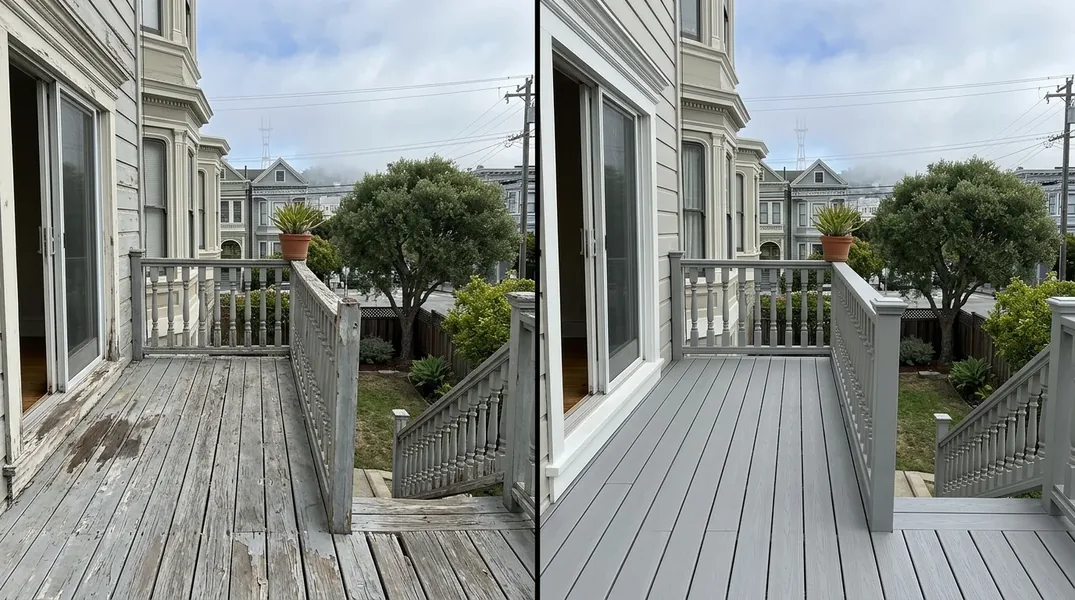
Why San Francisco's Victorian and Edwardian Homes Are Especially Vulnerable to Wood Damage
San Francisco's iconic Victorian and Edwardian architecture is beloved for its ornate details, bay windows, and historic character. But this beauty comes with a responsibility that many homeowners don't anticipate: these homes are particularly susceptible to wood rot and structural damage. Built primarily between the 1880s and 1920s, most of these properties were constructed with growth-ring wood that is far more porous than modern lumber, and they've been exposed to over a century of the Bay Area's moisture, salt air, and temperature fluctuations.
The climate in San Francisco creates a perfect storm for wood deterioration. Fog rolls in regularly, humidity levels spike, and the city's proximity to the ocean means salt spray can reach even inland properties. Unlike drier climates where wood rot develops slowly, homes here can experience significant damage within just a few years if preventive measures aren't in place. The narrow alleyways and dense building patterns also mean many Victorian homes receive limited sunlight and air circulation, keeping wood damp for extended periods. Understanding these environmental pressures is the first step toward protecting your investment.
Recognizing the Early Signs of Wood Rot in Your Home
Wood rot doesn't announce itself dramatically. In fact, the most dangerous rot is often the kind you can't see, lurking behind exterior trim or inside wall cavities. However, there are telltale signs that alert homeowners to problems. Soft, spongy wood that yields easily to a screwdriver or awl is a classic indicator. Discoloration, particularly darkening or a grayish appearance on wood siding or window frames, suggests fungal growth. You might also notice paint that blisters, peels, or fails to adhere properly, which often indicates moisture problems underneath.
Pay special attention to areas where water naturally collects or where different materials meet. Window sills are notorious problem areas, as are the joints where exterior trim meets siding, the bases of corner boards, and anywhere that gutters or downspouts direct water. In Victorian homes, the decorative cornices and brackets that make these houses special are often the first places to develop damage because they're exposed to the elements and difficult to maintain. If you notice any soft spots, unusual odors (wood rot often smells earthy or musty), or visible fungal growth, it's time to take action rather than hope the problem resolves itself.
Window Sill Rot Repair in San Francisco: A Priority Maintenance Task
Window Sill Rot Repair is one of the most common repairs we handle at San Francisco Carpentry, and for good reason. Window sills are essentially horizontal surfaces that collect water, and in older Victorian homes with single-pane or early double-pane windows, condensation and water infiltration are nearly constant. When rot develops in a window sill, it's not just a cosmetic problem. Compromised sills can lead to water damage inside your walls, mold growth, and eventually structural issues that affect the entire window frame and surrounding framing members.
The good news is that early intervention can save you thousands of dollars. If you catch rot while it's still confined to the sill itself, a skilled carpenter can often repair or replace just the affected section, preserving the original window and its historic character. This is particularly important if you own a Victorian with original windows, as replacement windows can diminish both the authenticity and resale value of your home. However, if rot has progressed into the frame or the wood beneath the sill, more extensive repairs become necessary. This is why we recommend having your windows professionally inspected every few years, especially if you notice any signs of moisture or damage.
Wood Siding Repair and Exterior Trim: Protecting Your Home's First Line of Defense
The exterior wood siding and trim on Victorian and Edwardian homes serve as your property's first line of defense against the elements. Unfortunately, this exposure means these surfaces bear the brunt of weather damage. Wood Siding Repair and exterior trim repair become necessary when paint fails, water infiltrates, and the wood beneath begins to deteriorate. Many homeowners make the mistake of simply repainting over problem areas, which only traps moisture and accelerates decay.
Proper siding repair requires removing the damaged wood, treating any underlying moisture issues, and replacing it with new wood that matches the original profile and material as closely as possible. For homes in San Francisco, this often means working with period-appropriate materials and finishes. Victorian homes frequently feature redwood or Douglas fir siding, and matching these materials not only ensures durability but also maintains the home's historic integrity. The trim around windows, doors, and rooflines requires the same attention. These details are what give Victorian homes their distinctive character, and preserving them properly is both a practical necessity and a way to honor the craftsmanship of the original builders.
When to Call a Professional: Dry Rot and Structural Concerns
While some minor wood maintenance is within reach of a dedicated homeowner, Wood Rot & Dry Rot Repair involving structural elements should always be handled by professionals. Dry rot, in particular, is deceptively dangerous because it can spread rapidly through wood, consuming the structural integrity while appearing relatively minor on the surface. A small patch of dry rot in a beam, joist, or load-bearing wall can compromise the entire stability of your home if not properly addressed.
If you suspect rot in any structural component, or if rot has progressed beyond a small, localized area, contact San Francisco Carpentry for a free estimate. We serve the greater San Francisco area and can assess the extent of damage, identify the underlying moisture source, and recommend the most effective repair strategy. You can reach us at (628) 285-5429. During an inspection, we'll determine whether repair, partial replacement, or complete reconstruction is necessary, and we'll explain your options clearly so you can make an informed decision about your home.
Prevention Strategies: The Best Way to Protect Your Victorian Home
The old saying that an ounce of prevention is worth a pound of cure applies perfectly to wood rot in historic homes. The most important preventive measure is managing moisture. Ensure your gutters and downspouts are clean and directing water away from your foundation. Check that your roof is in good condition and that flashing around chimneys and vents is intact and properly sealed. Inside, maintain reasonable humidity levels, typically between 30 and 50 percent, and ensure adequate ventilation in bathrooms and kitchens. These simple steps eliminate the conditions that allow wood rot fungi to thrive.
Regular inspection and maintenance of exterior wood is equally critical. Paint and stain your siding, trim, and window frames on a schedule appropriate for your climate, typically every 5 to 7 years in the Bay Area. When you paint, use high-quality exterior products designed for your specific wood type and climate conditions. Address small problems immediately rather than waiting for them to become large ones. Finally, consider having a professional inspect your home annually, particularly focusing on areas prone to moisture accumulation. This proactive approach will extend the life of your Victorian or Edwardian home and prevent costly repairs down the road. If you'd like to schedule a professional inspection or discuss a maintenance plan tailored to your property, call San Francisco Carpentry at (628) 285-5429 or request a free estimate online.
Looking for a professional tree service in San Francisco? San Francisco Carpentry responds fast for all your carpentry needs.
Get a Free QuoteOur services: Wood Rot & Dry Rot Repair · Termite Damage Repair · Floor Joist & Subfloor Repair